Ultimate Guide: How to Conduct a Dash Cam Trial
This guide provides fleet managers with a comprehensive, structured framework for evaluating and comparing AI dash cam providers through a fair, side-by-side trial. With 44,000 traffic fatalities in 2023 and the average cost of a fatal commercial accident reaching $3.6 million, selecting the right dash cam technology is a critical business decision. The guide walks through five key steps: defining success metrics, identifying unsafe driver behaviors, setting up a controlled test environment, running the trial, and analyzing results using provided templates. By controlling variables such as camera placement, lighting conditions, and hardware condition, fleets can make an objective, data-driven decision that could save lives and significantly reduce financial risk.
In this guide, you'll explore
- Traffic accidents cost fleets an average of $3.6 million per fatal incident, making accurate AI dash cam selection a high-stakes financial and safety priority.
- The guide outlines five structured steps to fairly evaluate dash cam providers, including controlling for hardware condition, installation, camera placement, and time of day.
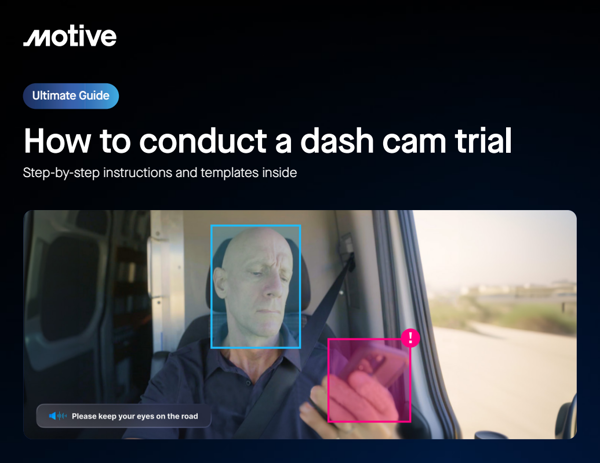
- Key unsafe behaviors to test for include cell phone usage, close following, drowsiness, seat belt violations, and stop sign violations — each linked to significant crash statistics.
- Side-by-side camera testing in the same vehicle, with rotating windshield positions, ensures unbiased performance comparisons across all vendors.
- Trials should run for at least two weeks to collect sufficient data, with results verified against vendor dashboards to measure accurate alerts and false positive rates.